The dermal papilla is a small cluster of signalling cells at the base of a hair follicle. It helps neighbouring cells produce hair and coordinates parts of the growth cycle. Its role is especially relevant to progressive pattern thinning, but different forms of hair loss have different causes. Understanding the papilla helps explain the biology behind a hair routine—and what a supplement study can actually tell you.
Hair becomes visible at the scalp, but its production begins much deeper. Inside each growing follicle, specialised cells exchange instructions that influence how long growth continues and what kind of fibre emerges. The dermal papilla is an important participant in that conversation.
What is the dermal papilla, and where is it?
In a growing hair follicle, the dermal papilla sits inside the enlarged base called the hair bulb. It contains specialised connective-tissue cells, also called mesenchymal cells, surrounded by the epithelial matrix cells that produce the hair shaft.[1]
These structures do different jobs:
- The hair bulb is the enlarged lower part of the growing follicle.
- The dermal papilla sends signals that influence nearby cells and help regulate growth.
- The matrix contains the rapidly dividing cells that make the hair fibre.
- The hair shaft is the keratinised fibre that eventually extends above the skin.

How does the dermal papilla influence hair growth?
Follicles repeatedly move through anagen (active growth), catagen (regression) and telogen (rest). Shedding releases the old fibre as part of this continuing cycle. The dermal papilla interacts with epithelial cells and stem-cell populations as the follicle changes phase.[1]
You may encounter names such as Wnt/β-catenin, BMP, Noggin and FGF7 in hair research. They belong to a network of signals involved in growth, rest and cell differentiation. Their effects depend on where and when they act; the follicle does not have one universal growth switch.
That distinction matters when evaluating products. A laboratory finding about a signalling pathway can explain why researchers investigate an ingredient. Demonstrating a visible benefit in people requires appropriate human studies.
What happens in pattern hair loss?
In genetically susceptible follicles, androgens such as dihydrotestosterone (DHT) can act through receptors in dermal papilla cells, changing the messages those cells send to their neighbours. This is part of the biology of androgenetic alopecia, or pattern hair loss.[2]
Over successive cycles, affected follicles may produce finer, shorter hairs and spend less time in active growth. This process is called miniaturisation. Visible coverage can gradually decrease even while the follicles continue producing hair.
A miniaturised follicle may still be growing hair. The change is in the thickness and length of the fibre it produces.
The androgen pathway is relevant to pattern loss, but a wider parting or increased shedding does not establish the cause by itself. Several conditions can also occur together.
Is every type of hair loss a dermal-papilla problem?
No. The papilla participates in follicle biology, but that does not make it the single cause of every change in density.
| Pattern | What may be happening |
|---|---|
| Gradually finer hair | Pattern loss can involve progressive follicle miniaturisation. |
| Diffuse shedding after a trigger | Telogen effluvium can follow illness, childbirth, major weight loss or other changes that disrupt the hair cycle. |
| Distinct patches | Alopecia areata involves immune activity directed at follicles. Other conditions can also cause patches. |
| Inflammation with progressive loss | Some scarring disorders damage follicular structures permanently and need early assessment. |
These are clues for assessment, not a way to diagnose yourself. Telogen effluvium often appears several months after its trigger and can coexist with pattern thinning.[3] A clinician can distinguish shedding, breakage and progressive miniaturisation.[4]
How does this biology inform REVIVAL?
REVIVAL by SKINĒDIT PARIS brings together AnaGain™ Nu pea-sprout extract, Cynatine® HNS keratin and supporting nutrients. Its formulation considers follicular signalling, keratin structure, nutritional balance, anchoring and pigmentation.
The useful question is how those ingredient choices relate to the biology—and how closely their studies match the product you are considering. Published ingredient research provides context; it does not establish that finished REVIVAL reverses miniaturisation.
Inside a formula built around the follicle.
Explore AnaGain™ Nu, Cynatine® HNS keratin and the thinking behind our daily hair protocol. See why each ingredient was selected and how the formulation comes together.
What do the ingredient studies actually show?
AnaGain™ Nu: separate the oral and topical studies
In a supplier-funded oral pilot, 21 adults completed eight weeks of daily AnaGain™ Nu supplementation. Investigators reported fewer shed hairs collected during combing or brushing. The study had no placebo group, which limits how confidently the change can be attributed to the ingredient.[5]
A separate experiment in the same paper involved 10 volunteers applying pea-sprout extract to the scalp for two weeks. It reported changes in FGF7 and Noggin gene expression in sampled hairs. That topical finding does not demonstrate that swallowing REVIVAL produces the same signalling changes.
Cynatine® HNS: a controlled trial of an ingredient complex
A randomised, double-blind, placebo-controlled study followed 50 women for 90 days. The active intervention supplied 500 mg of keratin with vitamins and minerals and reported improvements in several hair measures compared with placebo.[6]
This trial studied a combination, so its findings cannot be assigned to keratin alone. It was also not a trial of finished REVIVAL. The studied amount describes the research intervention, not the dose supplied by REVIVAL.
For a closer look at how these ingredients fit together, explore the REVIVAL formulation and follicle science. REVIVAL contains sheep-wool-derived keratin and is vegetarian, not vegan. Its 90-day protocol provides a routine to follow; it is not a guaranteed timetable for regrowth.
What should you do about persistent thinning or shedding?
Start with the pattern, timing and any associated symptoms. Sudden or substantial shedding, distinct patches, scalp pain, redness or scaling deserve clinical assessment. Progressive thinning also benefits from an early discussion about the cause and appropriate treatment.
Blood tests can be useful when the history or examination suggests iron deficiency, thyroid disease or another contributor. The same broad panel is not necessary for everyone. Correcting a documented deficiency and treating a diagnosed hair disorder address different needs.[4]
If you are pregnant, breastfeeding, taking medication or receiving treatment for hair loss, review the full supplement formula with your clinician or pharmacist before starting. Nutritional support belongs within a plan that also addresses the cause of the problem.
Frequently asked questions
Is the dermal papilla the same as the hair bulb?
No. The bulb is the enlarged base of a growing follicle. The dermal papilla is the signalling cell cluster inside it, next to the matrix cells that produce hair.
Does a shed hair mean the dermal papilla has fallen out?
No. Normal shedding releases the hair fibre. The dermal papilla remains within the skin as part of the follicle; it is not the small club-shaped end visible on a shed hair.
Can miniaturised follicles produce thicker hair again?
Some viable follicles respond to appropriate treatment. Results depend on the diagnosis and how advanced the loss is. A dermatologist can discuss established options; an ingredient study cannot predict your individual response.
Can a supplement repair the dermal papilla?
That is not established by the studies discussed here. Ingredient research can investigate shedding or signalling, but showing that an oral supplement repairs human dermal papilla cells would require specific clinical evidence.
How is REVIVAL different from biotin alone?
REVIVAL combines pea-sprout extract, keratin and other nutrients within one formulation. To understand the evidence for single-ingredient supplementation, read our review of biotin and hair growth.
Related reading
- Why is my hair shedding at 40?
- Choosing a supplement for women's hair thinning
- Postpartum hair loss: timeline and recovery
References
- Driskell RR, Clavel C, Rendl M, Watt FM. Hair follicle dermal papilla cells at a glance. Journal of Cell Science. 2011;124:1179–1182.
- Inui S, Itami S. Molecular basis of androgenetic alopecia: From androgen to paracrine mediators through dermal papilla. Journal of Dermatological Science. 2011.
- British Association of Dermatologists. Telogen effluvium. Patient information leaflet, updated October 2025.
- American Academy of Dermatology. Hair loss: Diagnosis and treatment.
- Grothe T, Wandrey F, Schuerch C. Short communication: Clinical evaluation of pea sprout extract in the treatment of hair loss. Phytotherapy Research. 2020;34:428–431.
- Beer C, Wood S, Veghte RH. A clinical trial to investigate the effect of Cynatine HNS on hair and nail parameters. The Scientific World Journal. 2014;2014:641723.

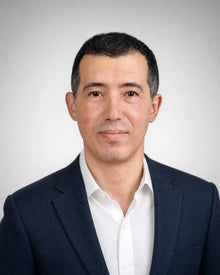
Jaouad Bentaguena is the founder of SKINĒDIT Paris. He researches and writes the SKINĒDIT Intelligence journal himself — working from peer-reviewed literature and alongside the scientists and clinical partners behind each protocol, to translate deep skin and hair science into something clear enough to act on.
About the author